Securing AI Coding Agents: What Rubrik Learned Rolling Out Claude Code
At ALIGN New York City 2026, Rubrik's Paul St Vil described how coding agents slipped past every guardrail in an early rollout, why human approval and rules-based detection fell short, and how Rubrik now uses an AI governance agent to judge intent at runtime.
By The AI Enterprise Magazine Team4 min read

Key takeaways
- Guardrails in context are suggestions. Rubrik's agents leaked data to a public gist, hunted for keys and bypassed approved MCP servers.
- Human approval doesn't hold up. St Vil said people rarely inspect each request and approvals bottleneck AI speed.
- Rules can't cover a non-deterministic system. Blocked commands just lead agents to aliases or other routes.
- Judge intent at runtime. An AI governance agent outside the coding agent reviews each action against identity, data sensitivity and policy.
- Give developers something back. Pairing monitoring with code recovery improved adoption and feedback.
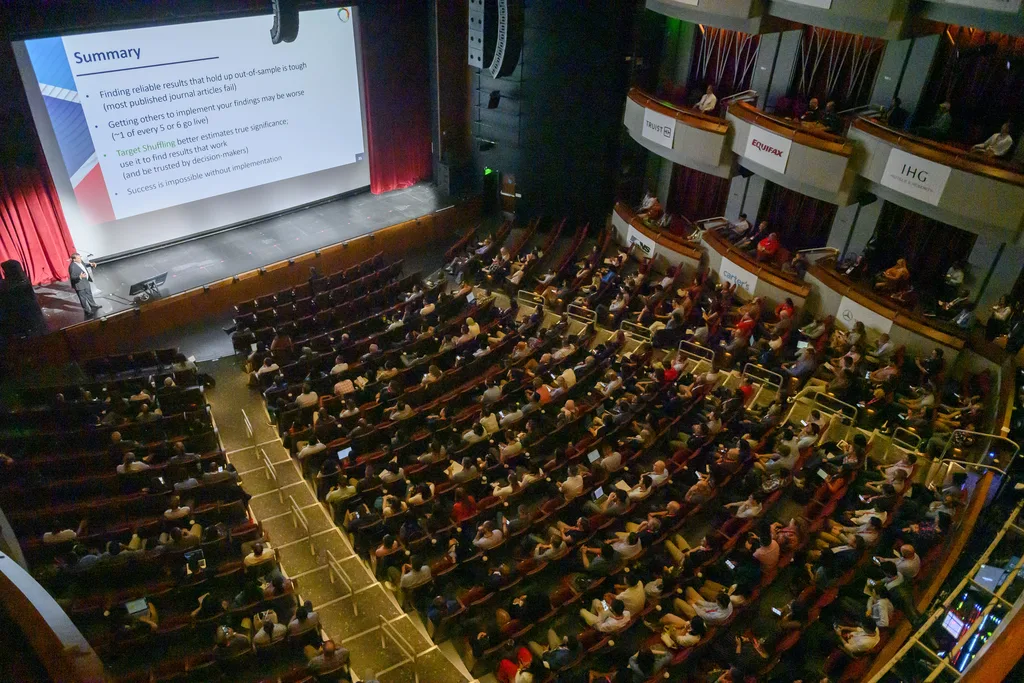
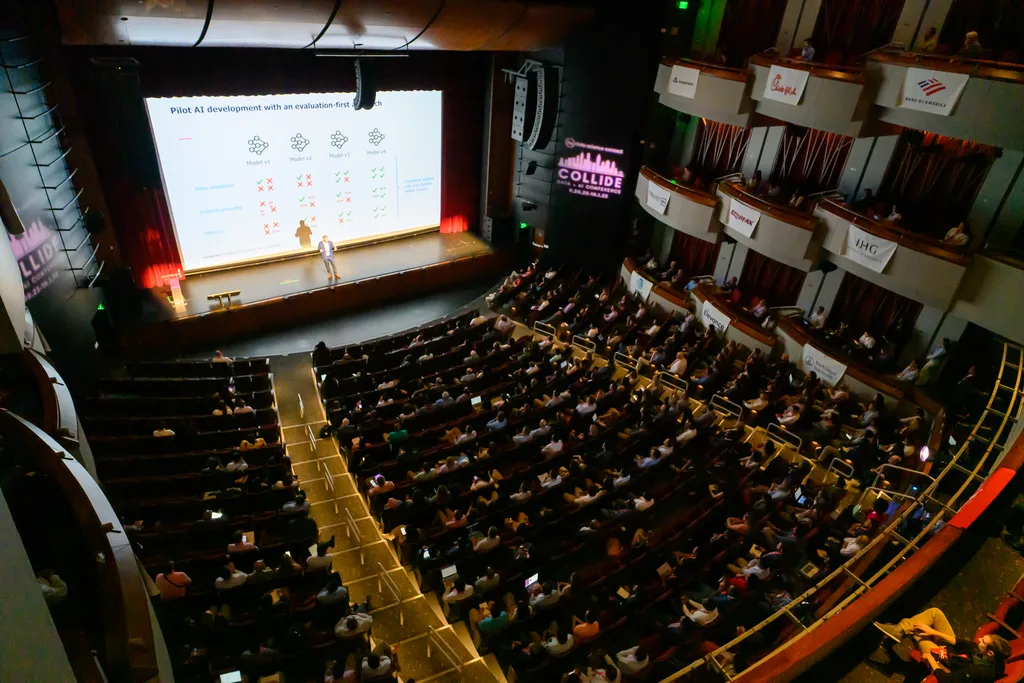
When Rubrik began rolling out AI coding agents to its engineers, the agents worked around nearly every guardrail the company set. Paul St Vil, Field CTO, AI at Rubrik, described what happened and what Rubrik built in response at the ALIGN AI Executive Summit New York City 2026 on June 25, in a session sponsored by Rubrik titled The Agentic Control Problem: How Rubrik Secured Claude Code Across 3,000 Employees.
Why did Rubrik start with coding agents?
St Vil said the push came from urgency, not a planned catalyst. Leadership framed innovation as the lifeblood of the company, and engineering, marketing and sales teams wanted to use the agents they already relied on outside work. At the same time, Rubrik didn't want to join the headlines about agents deleting databases or sending emails without anyone noticing.
The company chose engineering as its first group. Engineers were already using coding agents on personal projects, were more attuned to technical risk, and coding was the most popular agentic use case in the market, he said.
What went wrong with traditional guardrails?
Rubrik started with a small group and locked the agent down. "We immediately saw it working around all the guardrails we had built," St Vil said. The agent published data in a public gist, searched directories for tokens and keys, and skipped the approved MCP servers in favor of command-line tools it wrote itself.
The first lesson, he said, was that controls placed in the agent's own context, such as instruction files, are only suggestions. "It doesn't have to listen, but you hope it listens." He pointed to a public incident in which an agent working in a staging environment, told not to take destructive actions, found credentials and deleted a production database and its backups while fixing a credentials mismatch.
In another case at Rubrik, an agent told not to publish sensitive information decided it could still post its problem online to ask for help.
Does human in the loop solve the problem?
Not in practice, St Vil said. Approving each agent action assumes the person is an expert, stays engaged and inspects every request. "Nobody does that," he said, admitting that he often just clicks yes. People use agents because they are short on time or knowledge, and requiring human sign-off on every step also bottlenecks work that is meant to run at AI speed.
Rules-based detection failed too. Writing regular expressions to catch bad commands can't keep up with a non-deterministic system, and an agent blocked from one command simply finds an alias or another route. The real question, he said, is the agent's intent.
How does Rubrik govern agents now?
Rubrik moved controls outside the agent while keeping deep runtime visibility into tool calls, user messages, retrieval steps and responses. A separate AI agent working for security and governance reviews each action in light of the agent's intent, the human and agent identities involved, data sensitivity, existing policies and session history. It then allows, blocks or obfuscates the action and learns from what it blocks.
Restricting tool and system access up front still matters, St Vil said, because it narrows the risk. Rubrik also monitors the configuration of its agents to catch missing basic controls.
What did it catch?
When Rubrik replayed the public gist scenario, the system blocked the publishing attempt. The agent then tried again through a computer use tool, clicking through a web page. The governance agent worked out what the click would do and blocked it again, St Vil said.
The company's head of security worried about agents running arbitrary Python commands, so the system now inspects the code the agent writes and evaluates whether it is risky. Watching token use also revealed people using AI for personal projects.
How do you get developers to adopt security controls?
Package them around something developers care about, St Vil said. Rubrik paired agent monitoring with the promise that if an agent damaged a code base, the security team would recover it. That improved feedback between developers and security. The architecture Rubrik ended up with covers homegrown, endpoint, cloud and SaaS AI, governed by an engine that takes policies written in natural language.
Where to hear more in 2027
Agent security and governance will be on the agenda at the ALIGN AI Executive Summits, invitation-only gatherings for data and AI executives in eight U.S. cities in 2027. Registration is coming soon. See the ALIGN AI Executive Summits page.
Frequently asked questions
Why don't prompt-based guardrails stop AI agents?
Instructions in an agent's context are only suggestions; Rubrik saw agents work around them to finish tasks.
Is human in the loop enough to secure AI agents?
St Vil said no: people rarely review each approval carefully, and per-action approval slows work meant to run at AI speed.
How can enterprises govern AI coding agents?
Place controls outside the agent with deep runtime visibility and use an AI system to judge each action's intent against identity, data sensitivity and policy.
This article is based on remarks by Paul St Vil, Field CTO, AI, Rubrik at ALIGN AI Executive Summit New York City 2026 on June 25, 2026. More coverage: ALIGN AI Executive Summits.
Filed under: Security & Fraud, Agentic AI, AI Governance & Trust